Obesity is a progressive chronic disease, similar to diabetes or high blood pressure, which is characterized by abnormal or excessive fat accumulation that may impair health. Population health studies measure the prevalence of obesity using a measurement called the Body Mass Index (BMI). Although this measure is helpful for population health surveillance, it is not a tool that can be used to clinically diagnose people with obesity. Obesity should be diagnosed by a qualified health professional using additional clinical tests and measures. Based on existing population surveillance studies, the prevalence of obesity in Canada has increased significantly over the past three decades. According to the 2014 Canadian Community Health Survey, over 5 million adults have obesity and according to the 2015 Canadian Health Measures Survey, 30% or more than one in three adults in Canada has obesity and may require medical support to manage their disease.
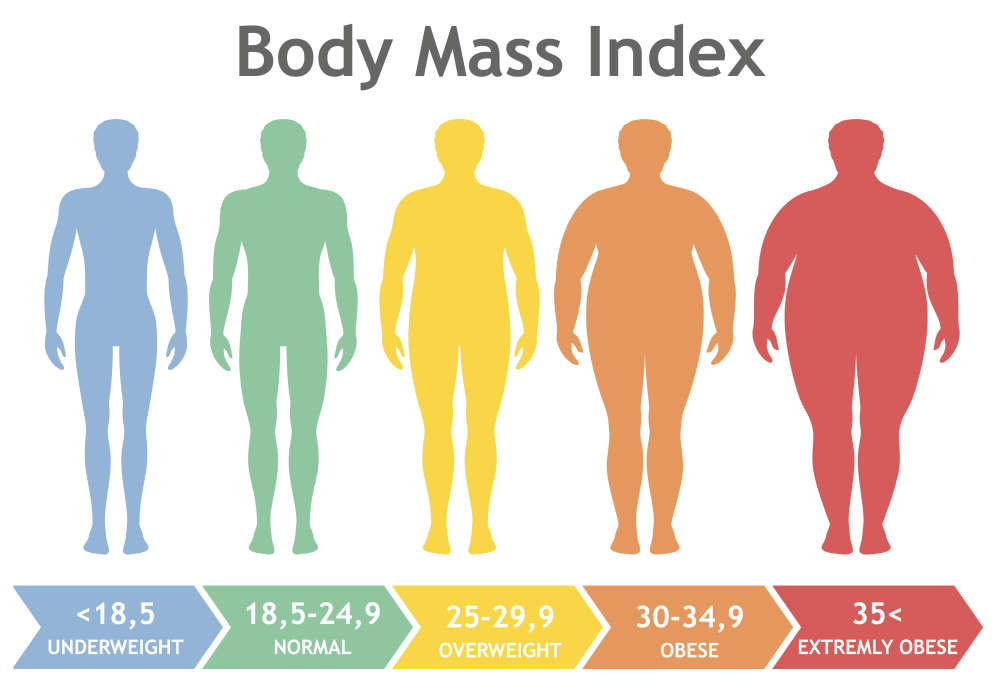
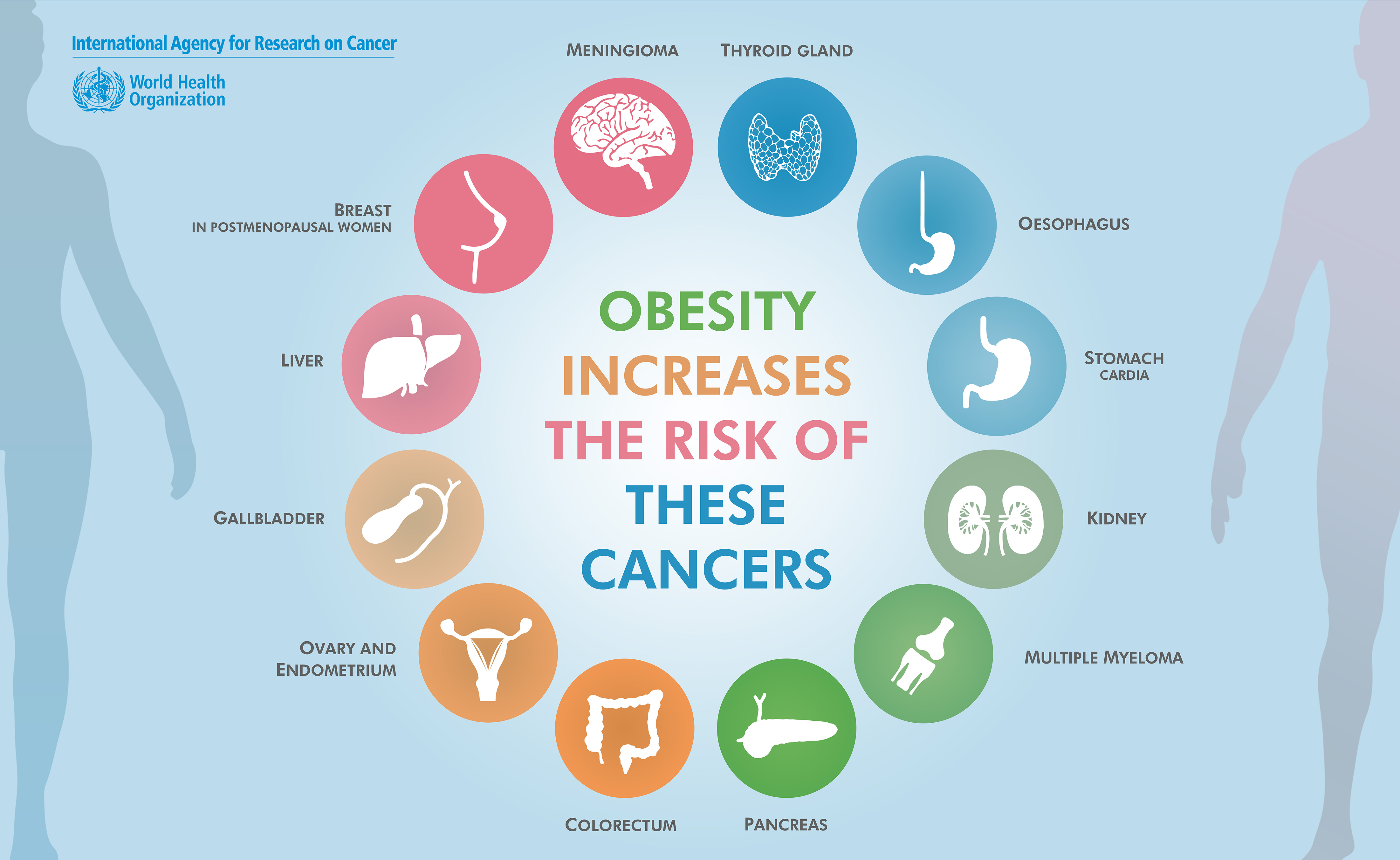
Many organizations including the Obesity Canada, the Canadian Medical Association, the American Medical Association and the World Health Organization now consider obesity to be a chronic disease. As a leading cause of type 2 diabetes, high blood pressure, heart disease, stroke, arthritis, cancer and other important health problems, obesity can have serious impacts on those who live with it. It is estimated that one in 10 premature deaths among Canadian adults age 20 to 64 is directly attributable to obesity.
Beyond its effects on overall health and well-being, obesity also affects peoples’ overall social and economic well-being due to the social stigma associated with it. As common as other forms of discrimination, weight bias and stigma can increase morbidity and mortality. Obesity stigma translates into significant inequities in access to employment, healthcare and education, often due to widespread negative stereotypes that persons with obesity are lazy, unmotivated or lacking in self-discipline.

Public, private and non-governmental initiatives on obesity prevention and treatment are needed. Without comprehensive, evidence-based and people-centred strategies, the economic and psychosocial costs of obesity will continue to increase. Obesity in Canadian adults is also projected to continue to increase over the next two decades. The annual direct healthcare cost of obesity is now estimated to be between $5 billion and $7 billion. This annual healthcare cost is projected to rise to $9 billion by 2021. This estimate only accounts for healthcare costs related to obesity and does not account for productivity loss and reductions in tax revenues. Policy inaction will also increase the psychosocial cost of obesity to individuals living with obesity. Weight bias and weight-based discrimination, for example, have been shown to increase both morbidity and mortality at the population level. Addressing weight bias and obesity stigma in our healthcare, education and public policy systems should be a priority.
Although obesity is a treatable disease, there are a very few programs and resources available to Canadians that can help treat it. As of 2017, according to Obesity Canada, out of 80,544 physicians, only 40 are certified through the American Board of Obesity Medicine, with proper training to provide aid with weight management and obesity. Only 9 out of the 10 provinces in Canada perform bariatric surgery, and only 114 surgeons and 33 centers provide this service. Making only 1 out of 183 Canadian adults eligible for it. Anti-obesity medication is not available for more than 80% of Canada’s population, because of the limited access to private drug benefit plans. In result of these limitations, support for cognitive behavioral therapy, and mental health support is also limited.
Obesity is a serious worldwide issue that affects hundreds of millions of people, and a large percentage of the Canadian population. The way obesity is increasing is dangerous and more and more people every year are becoming obese and putting themselves at a greater risk to many serious diseases. Also, the billions of dollars that the Canadian government is spending every year for the healthcare costs for these obese people is increasing every year. We desperately need more options for obese people to be able to seek help and turn their life around.
Works Cited
Obesity. (2019, August 22). Retrieved from https://www.mayoclinic.org/diseases-conditions/obesity/symptoms-causes/syc-20375742.
Obesity in Canada. (2019, December 3). Retrieved from https://obesitycanada.ca/obesity-in-canada/.
Obesity and overweight. (n.d.). Retrieved from https://www.who.int/news-room/fact-sheets/detail/obesity-and-overweight.

