A Vegan Diet Recipe

The vegan diet is a diet that has increased in popularity a lot in recent years. Many of the people who follow this diet do it because of the ethical benefits as well as health benefits. People who follow the vegan diet do not only stay away from animal products like meat, eggs and dairy but they also are against all forms of animal cruelty in their lives including food, clothing, furniture and more. Vegans have been able to create thousands of different new recipes to substitute animal products, many of which are supposed to look and taste just like normal animal products. An example of this type of recipe is for a vegan steak.

Since steak and other beef products are very popular, it is no surprise that there is a wide variety of different vegan steak recipes. The one we will be looking at today is a delicious looking steak that is of course 100 percent vegan and animal free. It is called a Vegan Seitan Steak. 

Image result for Vegan steak

Instead of the traditional beef, this vegan steak is made from seitan. Seitan is made from hydrated gluten and it becomes surprisingly similar to the look and texture of meat when it’s cooked, making it a popular meat substitute for vegetarians and vegans. The wheat gluten is a flour produced by removing all of the starches from wheat, resulting in only the gluten remaining. Gluten is the main protein in wheat and it is also what makes dough stretchy and chewy. This is why gluten is used to make seitan which when cooked has a similar meat-like texture. Seitan is very common among many vegan recipes and is found in a lot of products you would find at vegan restaurants. 

Here is how you can make vegan seitan steak right at home, first let’s go over the ingredients. The ingredients are as follows, 2 cups vital wheat gluten, 8 tablespoons of water, 3 tablespoons nutritional yeast, 3 tablespoons tomato paste, 3 tablespoons soy sauce, 2 teaspoon garlic powder, 2 teaspoon chili powder, 1 teaspoon liquid smoke, 1/2 teaspoon black pepper

Image result for Vegan

Step number one to prepare the vegan steak is put all of the above ingredients into a food processor. When in a food processor, you need to make sure nothing sticks together and let it mix until everything is evenly mixed together. Once you have mixed everything together, put the mixture onto a clean surface and knead it well. You must knead it for two minutes until it becomes a solid ball. Once it is in a ball you need to cut the ball into four parts. The dough will be tough and stretchy and this is normal. Next, flatten each part into half inch steaks. Next, wrap the steaks in tinfoil and put them into a steamer basket over boiling water. Then steam it for 20 minutes.

Then, while your steaks are steaming you will make the marinade for the steak. The ingredients for the marinade are as follows, 1/2 cup of water, 3 tablespoons of olive oil, 1 tablespoons of soy sauce, and 1 tablespoon of maple syrup. First, place all these ingredients into a container and mix them together well. Once the steaks are steamed, you need to take them out of the steamer and cover them in the marinade. Let them soak in the marinade for two minutes and then you can cook them up.
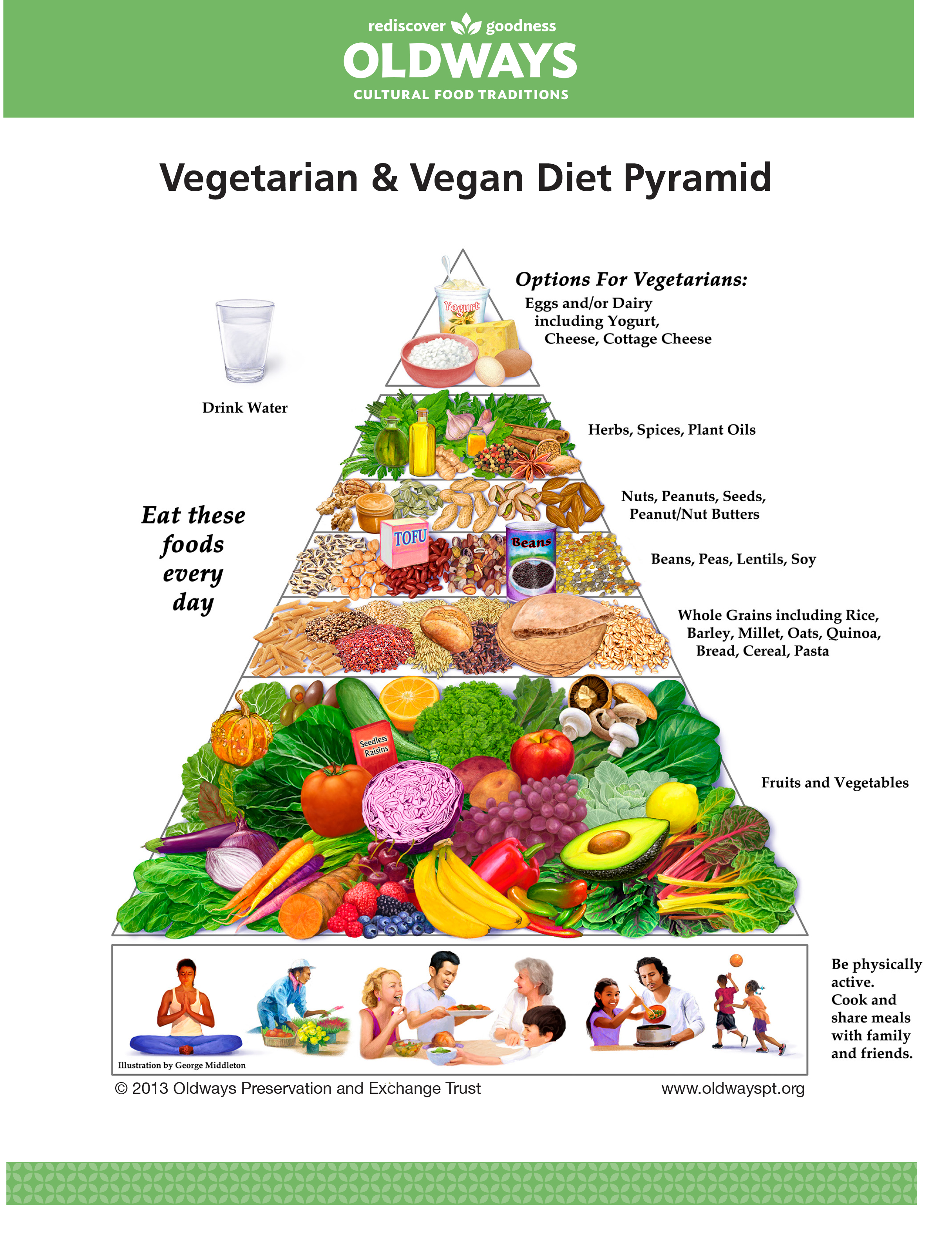
Image result for Vegan diet

Once they are ready to be cooked, place them in a deep casserole dish and cover dish. Place them into the oven at 350 degrees for one hour. Next, flip seitan and continue to cook for half an hour uncovered. Remove from oven, take out of pan and set aside to cool.

This recipe is perfect for vegan or vegetarian people who do not want to eat meat but still want to enjoy a delicious steak meal. While you can still definitely tell that this is not meat by the taste, it is pretty much as close as you can get without using any animal products. I even encourage carnivores to try this at least once because I believe you will be impressed and enjoy the taste. The best part about this recipe though is that it is simple and anyone can enjoy it and customize the recipe anyway they want.

Works Cited

Petre, A. (2016, November 1). The Vegan Diet – A Complete Guide for Beginners. Retrieved from https://www.healthline.com/nutrition/vegan-diet-guide.

Andrews, A., Andrews, A., Jana, Derek, VanNostrand, R., Politzer, L., … Mark. (2019, August 14). Vegan Steak (Tender, Juicy and Flavorful!). Retrieved from https://lovingitvegan.com/vegan-steak/.

Turnbull, S., & J. (2019, September 23). Vegan Seitan Steak. Retrieved from https://itdoesnttastelikechicken.com/vegan-seitan-steak/.

Organic vs Non-Organic Food

Organic foods used to only be found at health food stores, however it is now common and found at most grocery stores. Some people still might be confused about organic products and not understand the differences between normal and organic food. The word “organic” refers to the way farmers grow and process agricultural products, such as fruits, vegetables, grains, dairy products and meat. Organic farming practices are designed to enhance soil and water quality, reduce pollution, provide safe, healthy livestock habitats, enable natural livestock behavior, and promote a self-sustaining cycle of resources on a farm.

Image result for organic foods

Materials or practices not permitted in organic farming are synthetic fertilizers to add nutrients to the soil, sewage sludge as fertilizer, most synthetic pesticides for pest control, irradiation to preserve food or to eliminate disease or pests, genetic engineering, used to improve disease or pest resistance or to improve crop yields, antibiotics or growth hormones for livestock. Organic crop farming materials or practices may include plant waste left on fields, livestock manure or compost to improve soil quality, plant rotation to preserve soil quality and to interrupt cycles of pests or disease, cover crops that prevent erosion when parcels of land are not in use and to plow into soil for improving soil quality, mulch to control weeds, predatory insects or insect traps to control pests, certain natural pesticides and a few synthetic pesticides approved for organic farming. Organic farming practices for livestock include healthy living conditions and access to the outdoors, pasture feeding for at least 30 percent of livestock’s nutritional needs during grazing season, organic foods for animals, vaccinations

Image result for organic farm

There is a growing body of evidence that shows some potential health benefits of organic foods when compared with conventionally grown foods. While these studies have shown differences in the food, there is limited information to draw conclusions about how these differences translate into overall health benefits.

One of the benefits of organic foods is more nutrients. Studies have shown small to moderate increases in some nutrients in organic produce. The best evidence of a significant increase is in certain types of flavonoids, which have antioxidant properties. Another benefit is an increase in omega-3 fatty acids. The feeding requirements for organic livestock farming, such as the primary use of grass and alfalfa for cattle, result in generally higher levels of omega-3 fatty acids, a kind of fat that is more heart healthy than other fats. These higher omega-3 fatty acids are found in organic meats, dairy and eggs. Organic foods also have lower levels of toxic metal. Cadmium is a toxic chemical naturally found in soils and absorbed by plants. Studies have shown significantly lower cadmium levels in organic grains, but not fruits and vegetables, when compared with conventionally grown crops. The lower cadmium levels in organic grains may be related to the ban on synthetic fertilizers in organic farming.

Another advantage is less pesticide residue. Compared with conventionally grown produce, organically grown produce has lower detectable levels of pesticide residue. Organic produce may have residue because of pesticides approved for organic farming or because of airborne pesticides from conventional farms. The difference in health outcomes is unclear because of safety regulations for maximum levels of residue allowed on conventional produce. Less bacteria are also a benefit to organic food. Meats produced conventionally may have a higher occurrence of bacteria resistant to antibiotic treatment. The overall risk of bacterial contamination of organic foods is the same as conventional foods.

Image result for organic food benefits

One common concern with organic food is cost. Organic foods typically cost more than their conventional counterparts. Higher prices are partly because of more expensive farming practices. That’s a small wonder when you consider the long list of cost- and production-optimizing practices that are common on conventional farms but aren’t allowed on organic farms. These include genetically modified organisms, conventional pesticides, herbicides, petroleum-based and sewage-sludge-based fertilizers, antibiotics, growth hormones and irradiation. Depending on what’s being produced, the scarcity of organic raw materials can ratchet costs up too. For many consumers of organic food, the absence of these practices is worth the extra cost. But the truth is that many people simply can’t afford the difference in cost. There’s a different cost factor for farmers which is the learning curve they must undergo if they choose to transition from conventional to organic farming. Suddenly they must master a whole new set of agricultural principles, with both guidance and skilled labor less readily available than they are for conventional agriculture.

Overall, organic food is becoming more popular and a lot of people are deciding to switch. There is growing evidence that shows the benefits of organic foods over conventional grown foods. However, for many people these differences are still not enough to persuade them to go organic because of the sometimes very big price difference.

Works Cited

Advantages and Disadvantages of Organic Foods. (n.d.). Retrieved from https://www.livestrong.com/article/442122-advantages-disadvantages-of-organic-foods/.

Are organic foods worth the price? (2018, April 4). Retrieved from https://www.mayoclinic.org/healthy-lifestyle/nutrition-and-healthy-eating/in-depth/organic-food/art-20043880.

Organic 101. (n.d.). Retrieved from https://choosecanadaorganic.ca/organic101/.

Lewin, J. (1970, May 25). What does organic mean? Retrieved from https://www.bbcgoodfood.com/howto/guide/organic.

The Obesity Epidemic

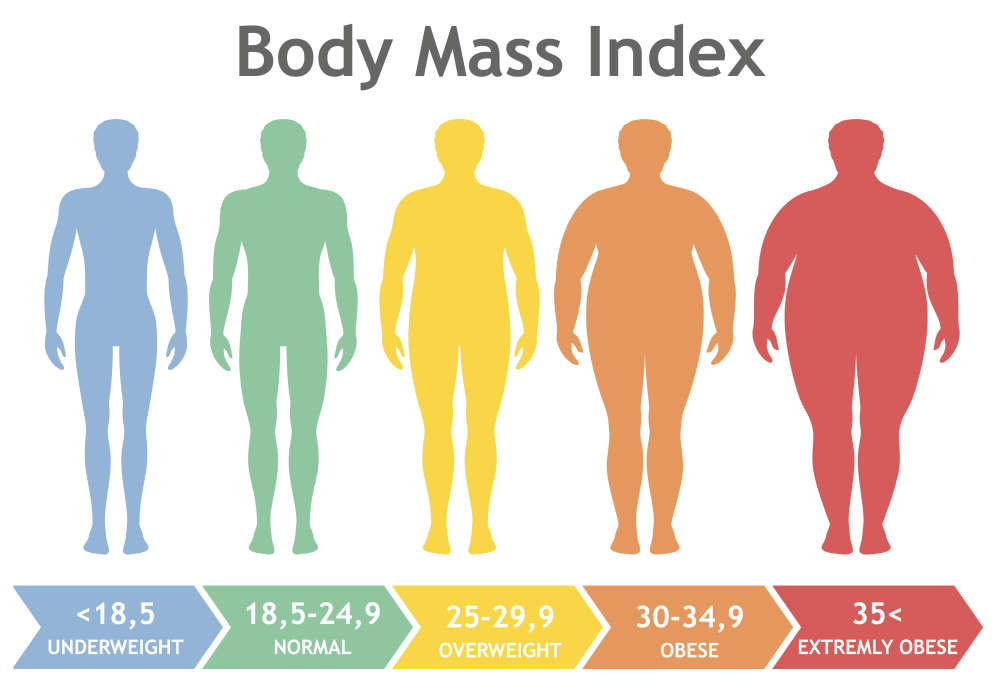
Obesity is a progressive chronic disease, similar to diabetes or high blood pressure, which is characterized by abnormal or excessive fat accumulation that may impair health. Population health studies measure the prevalence of obesity using a measurement called the Body Mass Index (BMI). Although this measure is helpful for population health surveillance, it is not a tool that can be used to clinically diagnose people with obesity. Obesity should be diagnosed by a qualified health professional using additional clinical tests and measures. Based on existing population surveillance studies, the prevalence of obesity in Canada has increased significantly over the past three decades. According to the 2014 Canadian Community Health Survey, over 5 million adults have obesity and according to the 2015 Canadian Health Measures Survey, 30% or more than one in three adults in Canada has obesity and may require medical support to manage their disease.

Image result for obesity

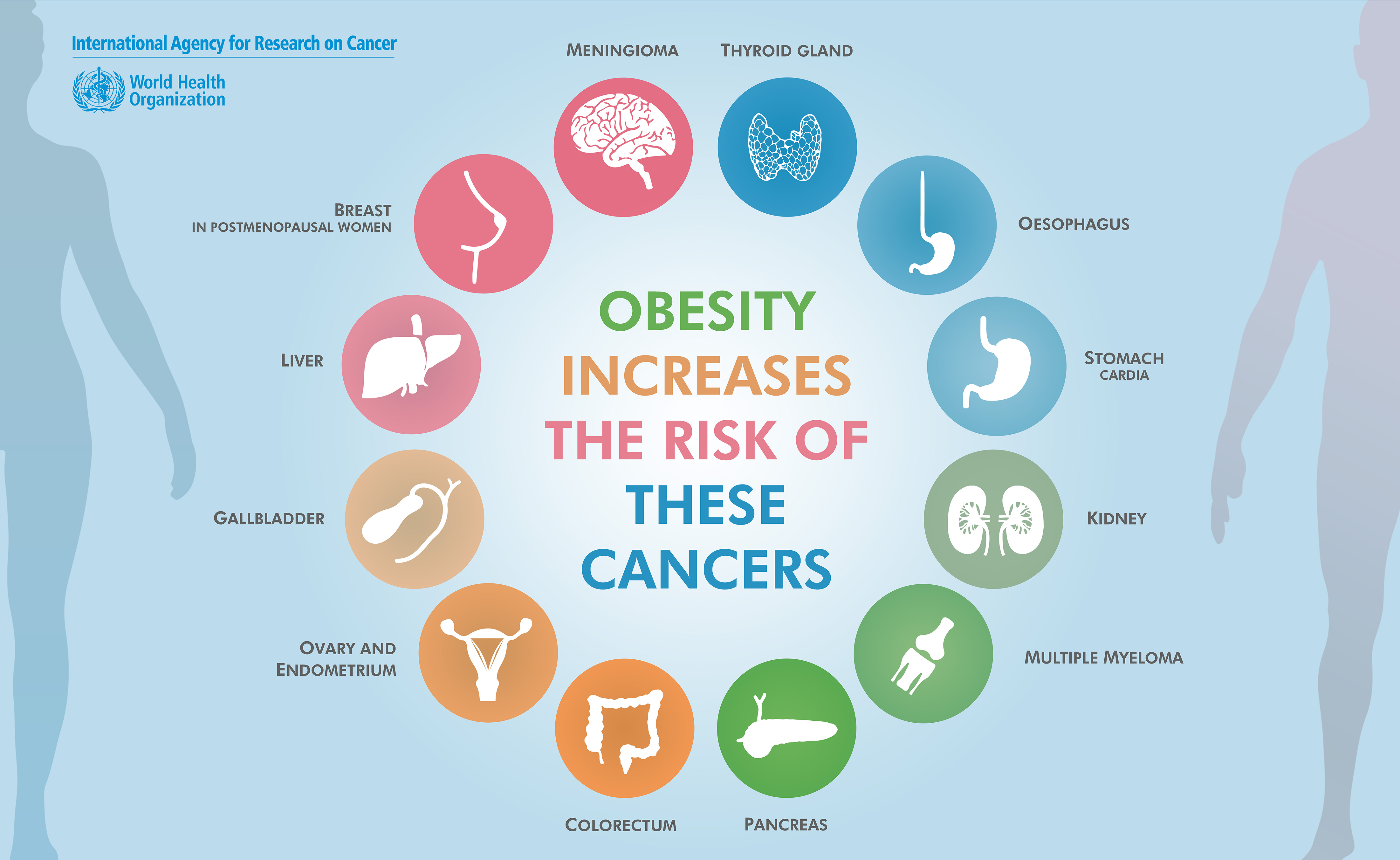
Many organizations including the Obesity Canada, the Canadian Medical Association, the American Medical Association and the World Health Organization now consider obesity to be a chronic disease. As a leading cause of type 2 diabetes, high blood pressure, heart disease, stroke, arthritis, cancer and other important health problems, obesity can have serious impacts on those who live with it. It is estimated that one in 10 premature deaths among Canadian adults age 20 to 64 is directly attributable to obesity.

Beyond its effects on overall health and well-being, obesity also affects peoples’ overall social and economic well-being due to the social stigma associated with it. As common as other forms of discrimination, weight bias and stigma can increase morbidity and mortality. Obesity stigma translates into significant inequities in access to employment, healthcare and education, often due to widespread negative stereotypes that persons with obesity are lazy, unmotivated or lacking in self-discipline.

Image result for obesity

Public, private and non-governmental initiatives on obesity prevention and treatment are needed. Without comprehensive, evidence-based and people-centred strategies, the economic and psychosocial costs of obesity will continue to increase. Obesity in Canadian adults is also projected to continue to increase over the next two decades. The annual direct healthcare cost of obesity is now estimated to be between $5 billion and $7 billion. This annual healthcare cost is projected to rise to $9 billion by 2021. This estimate only accounts for healthcare costs related to obesity and does not account for productivity loss and reductions in tax revenues. Policy inaction will also increase the psychosocial cost of obesity to individuals living with obesity. Weight bias and weight-based discrimination, for example, have been shown to increase both morbidity and mortality at the population level. Addressing weight bias and obesity stigma in our healthcare, education and public policy systems should be a priority.

Image result for obesity

Although obesity is a treatable disease, there are a very few programs and resources available to Canadians that can help treat it. As of 2017, according to Obesity Canada, out of 80,544 physicians, only 40 are certified through the American Board of Obesity Medicine, with proper training to provide aid with weight management and obesity. Only 9 out of the 10 provinces in Canada perform bariatric surgery, and only 114 surgeons and 33 centers provide this service. Making only 1 out of 183 Canadian adults eligible for it. Anti-obesity medication is not available for more than 80% of Canada’s population, because of the limited access to private drug benefit plans. In result of these limitations, support for cognitive behavioral therapy, and mental health support is also limited.

Obesity is a serious worldwide issue that affects hundreds of millions of people, and a large percentage of the Canadian population. The way obesity is increasing is dangerous and more and more people every year are becoming obese and putting themselves at a greater risk to many serious diseases. Also, the billions of dollars that the Canadian government is spending every year for the healthcare costs for these obese people is increasing every year. We desperately need more options for obese people to be able to seek help and turn their life around.

Works Cited

Obesity. (2019, August 22). Retrieved from https://www.mayoclinic.org/diseases-conditions/obesity/symptoms-causes/syc-20375742.

Obesity in Canada. (2019, December 3). Retrieved from https://obesitycanada.ca/obesity-in-canada/.

Obesity and overweight. (n.d.). Retrieved from https://www.who.int/news-room/fact-sheets/detail/obesity-and-overweight.

Design a site like this with WordPress.com
Get started